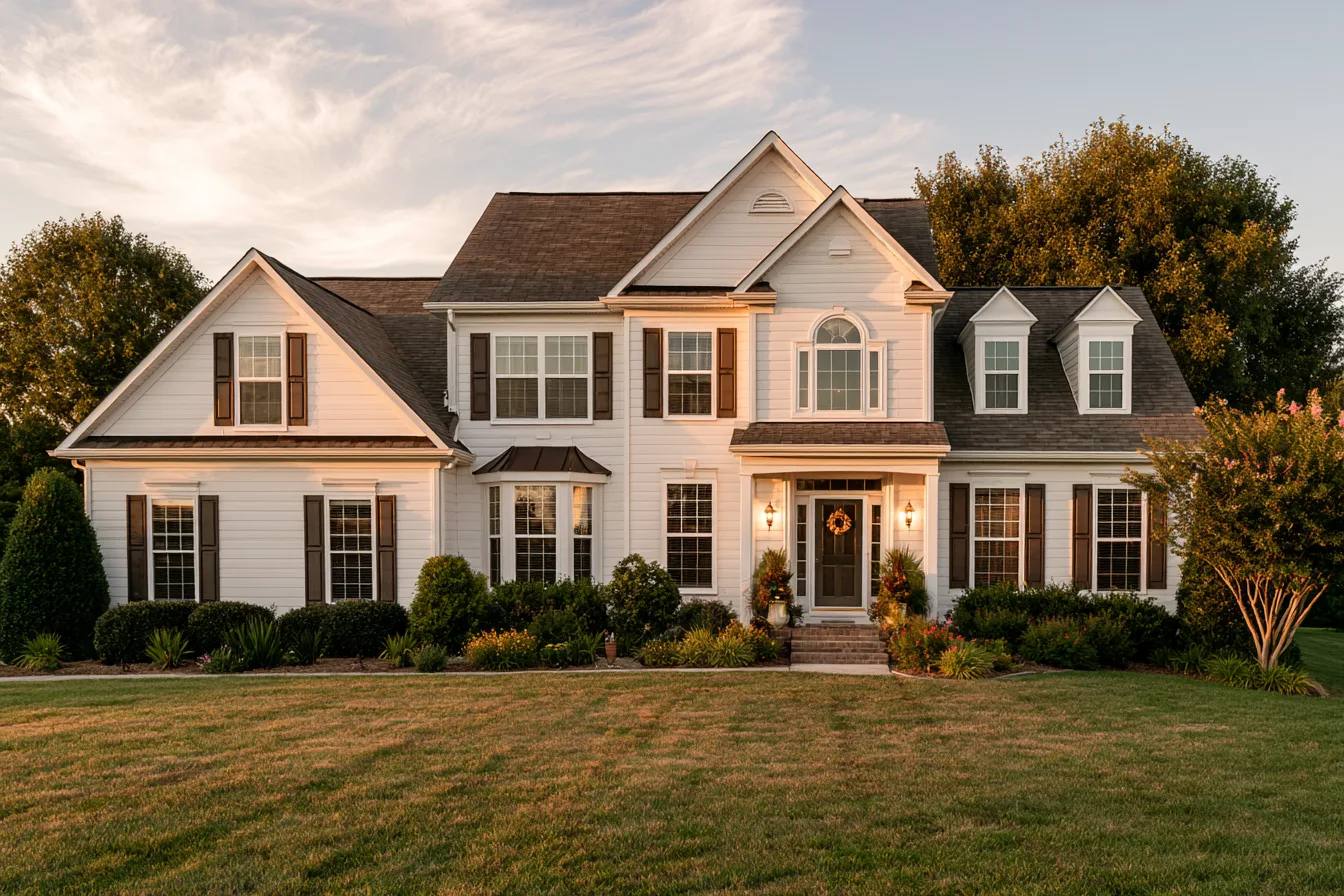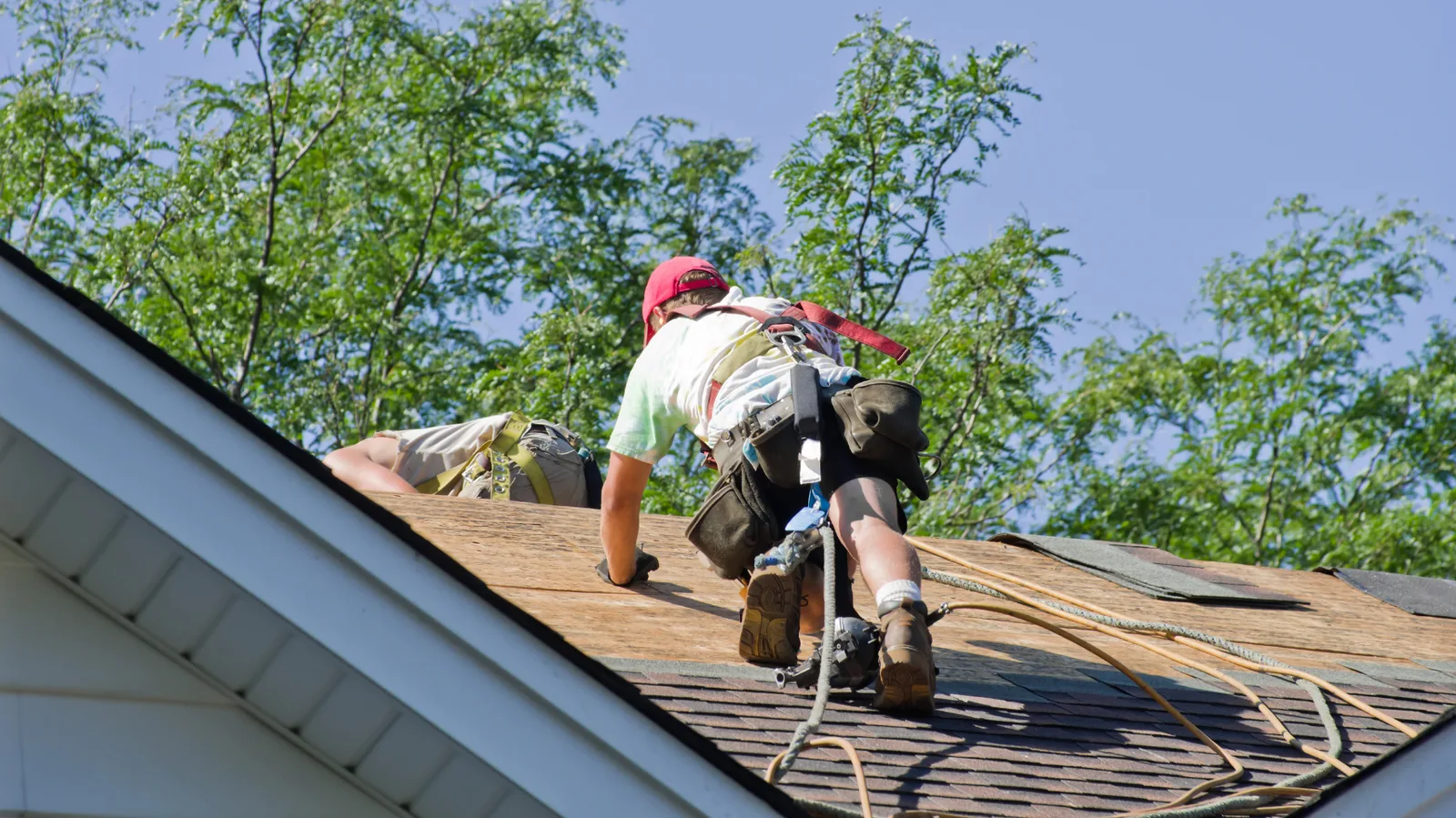
Roof replacement
Plan tear off, decking, water protection, flashing and ventilation together before choosing the finish.

Plan a roof that works from the deck to the downspouts. Get help with roof replacement, material choices and repair in Raymore, starting with a free inspection.
Call about your roof (816) 281-9183
A new roof is a chance to get more than the color right. The decking has to hold the fasteners, water protection has to connect beneath the covering, and flashing has to guide rain around the walls and openings. The roof edge finishes the job by sending that water into the gutter instead of behind the fascia.
Raymore Roof Pros helps you plan that complete roof, from architectural shingles and metal options to the low-slope sections that need a different approach. A free inspection starts with the roof you have. A roofer can walk it when access is safe, consider the condition of the covering and details, and explain where repair still makes sense.
For replacement in Raymore, plan for the old covering to come off so the deck can be evaluated. That opening is when damaged support becomes visible and hidden problems can be addressed. The useful conversation is the whole scope: what gets removed, what stays, which parts need work and how the new system handles rain.
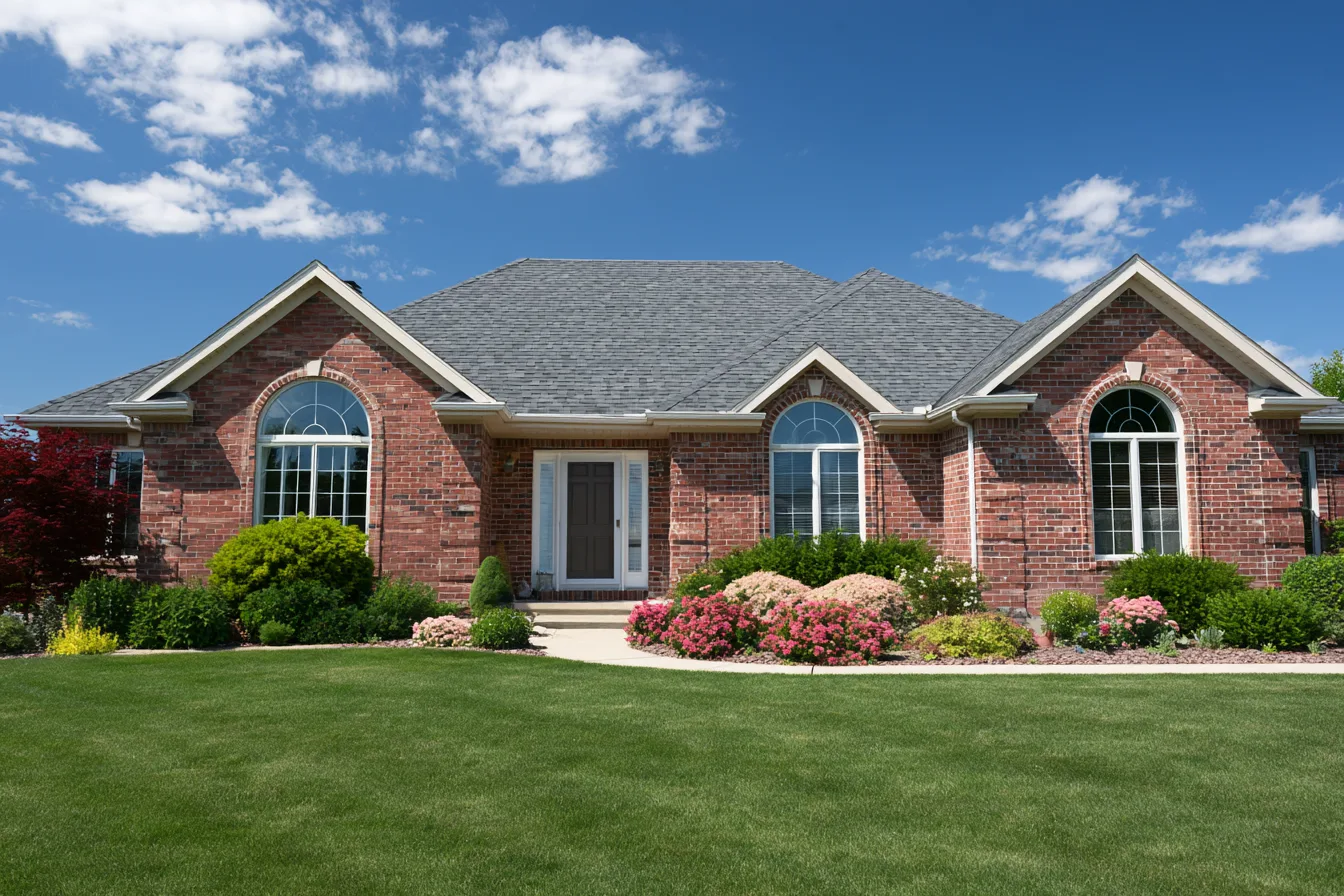
The shingles are one part of a system. A replacement should make the layers work together, including the roof edge and the places water has to turn.
| Roof part | Its job | What the scope resolves |
|---|---|---|
| Decking | Its jobSupports the fasteners and the roof covering. | What the scope resolvesDeteriorated wood needs repair before the new system is fastened. Hidden damage becomes clear as old roofing comes off. |
| Underlayment and ice barrier | Its jobProvides protection beneath the main covering. | What the scope resolvesThe material and locations follow the assembly, local requirements and installation instructions. |
| Flashing and roof edges | Its jobDirects water around walls, chimneys, valleys and openings. | What the scope resolvesReusable-looking metal still needs a sound connection to the new roof. Sealant alone does not replace flashing. |
| Intake and exhaust ventilation | Its jobMoves air through the attic when the roof is designed as a vented assembly. | What the scope resolvesIntake, exhaust and insulation conditions work together. Adding exhaust without an air path does not solve the whole problem. |
A roof's age is useful background. The condition of the covering and the material around the damage decides what the work can accomplish.
A split pipe boot, a loose flashing joint or a few damaged shingles can be repaired when the surrounding roof is sound. The new part must shed water into the existing layers, rather than rely on a bead of sealant across the surface.
Damage in a valley or at a roof-to-wall joint can extend beneath shingles that look fine from the ground. Opening that area lets the repair reach dry, supported decking and reconnect the water-shedding layers.
Brittle shingles that crack when lifted, widespread damage or deteriorated decking change the value of another patch. Replacement gives access to the deck and a chance to resolve the assembly instead of repeating local repairs.
Choose the page that matches the problem. Each explains the actual work and the conditions that change the scope.
Plan tear off, decking, water protection, flashing and ventilation together before choosing the finish.
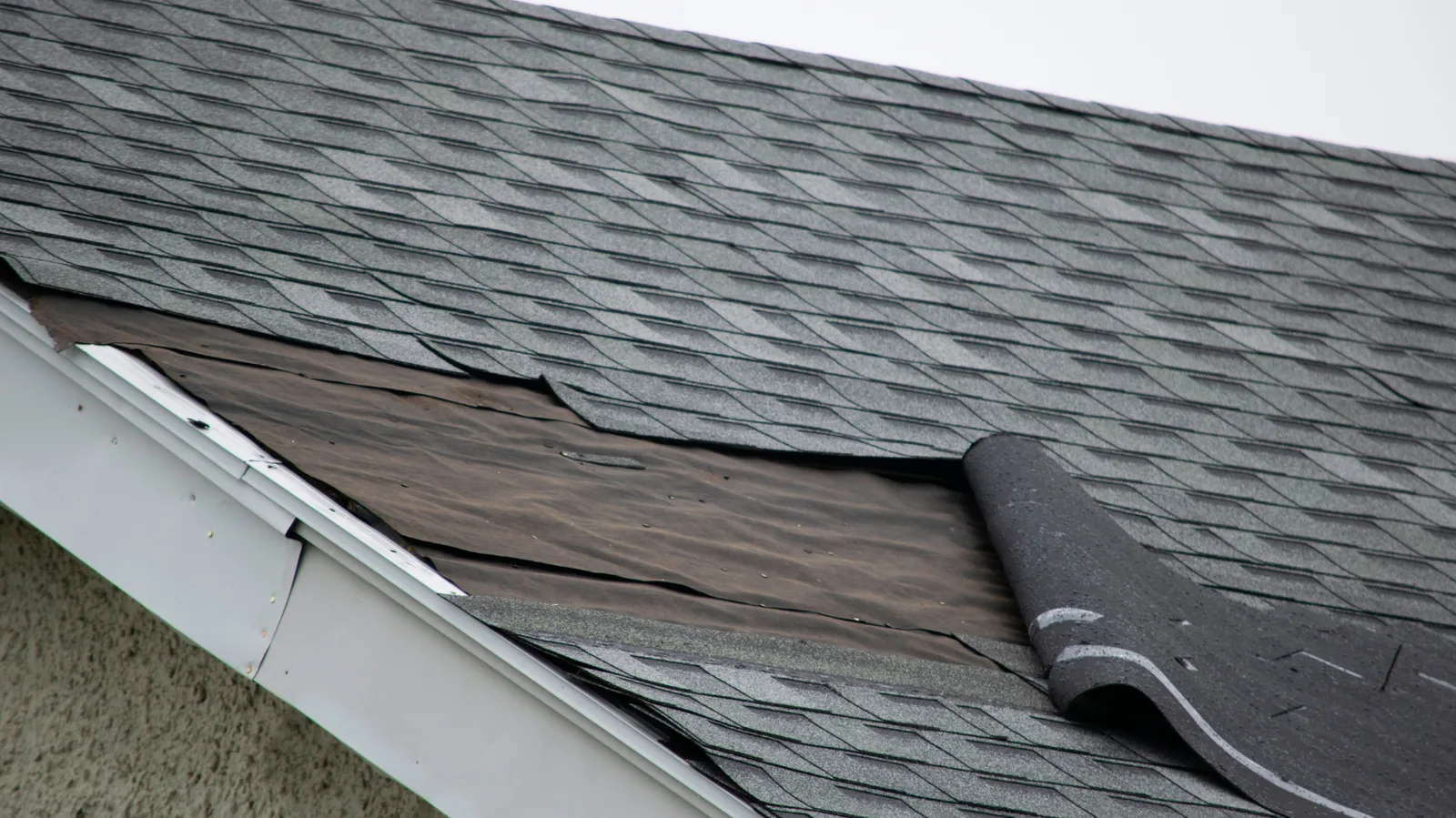
Trace a leak or damaged area and see what lets a repair connect to the roof around it.
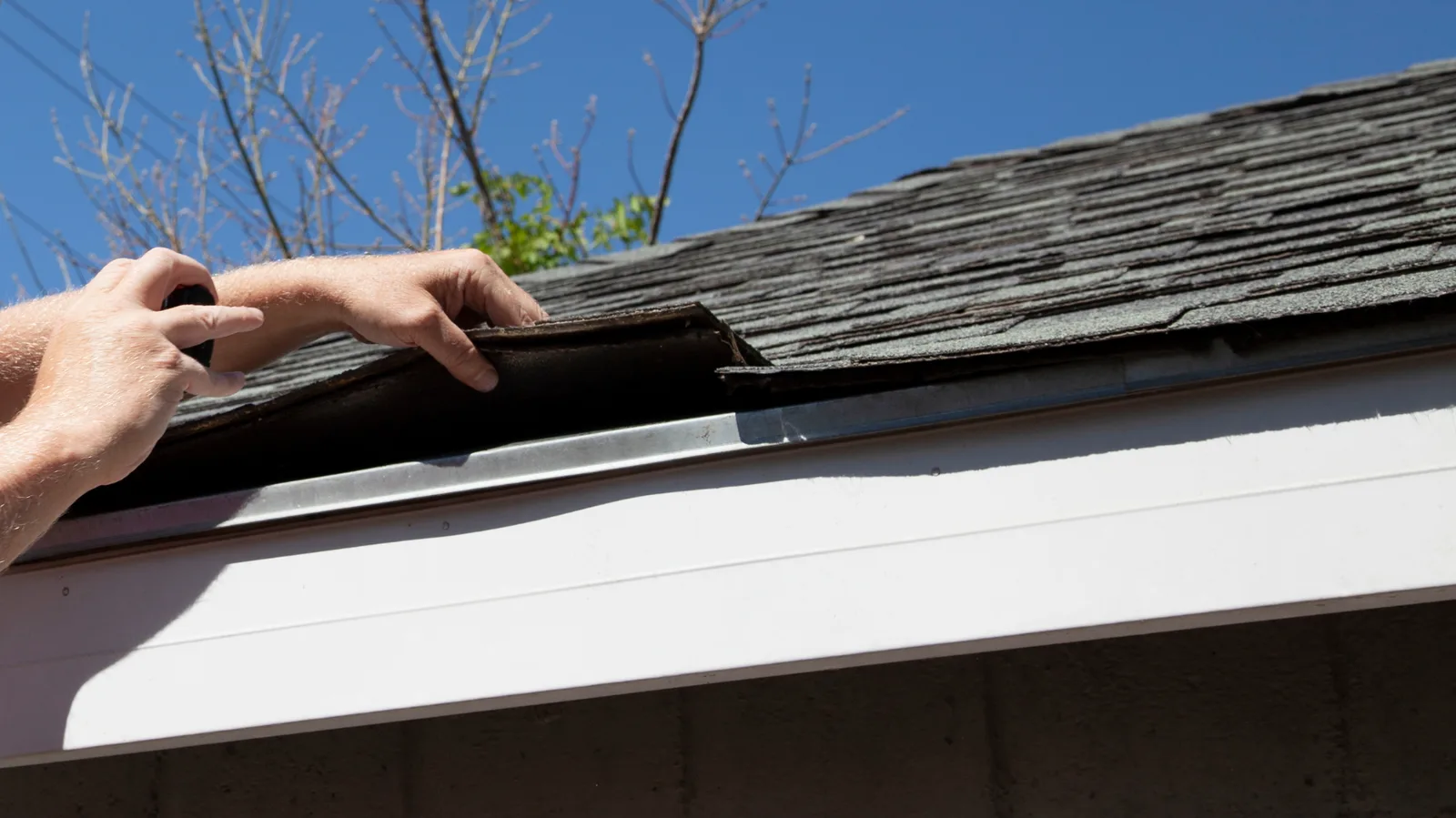
Start with a free look at the covering, transitions and visible conditions that guide the next step.
For a Kansas City metro planning example, an architectural asphalt roof with 2,000 square feet of measured roof surface starts around $8,000 to $12,000. The basis includes removal of one shingle layer and ordinary installation work. House floor area and roof surface are different measurements.
Extra tear off, damaged decking, steep or broken-up rooflines, access and flashing work change the price. The material choice belongs beside those conditions, so a low starting number doesn't hide the work underneath.
The roof cost guide explains the scope, and the working tool lets you change a supported example. Try the roof cost calculator.
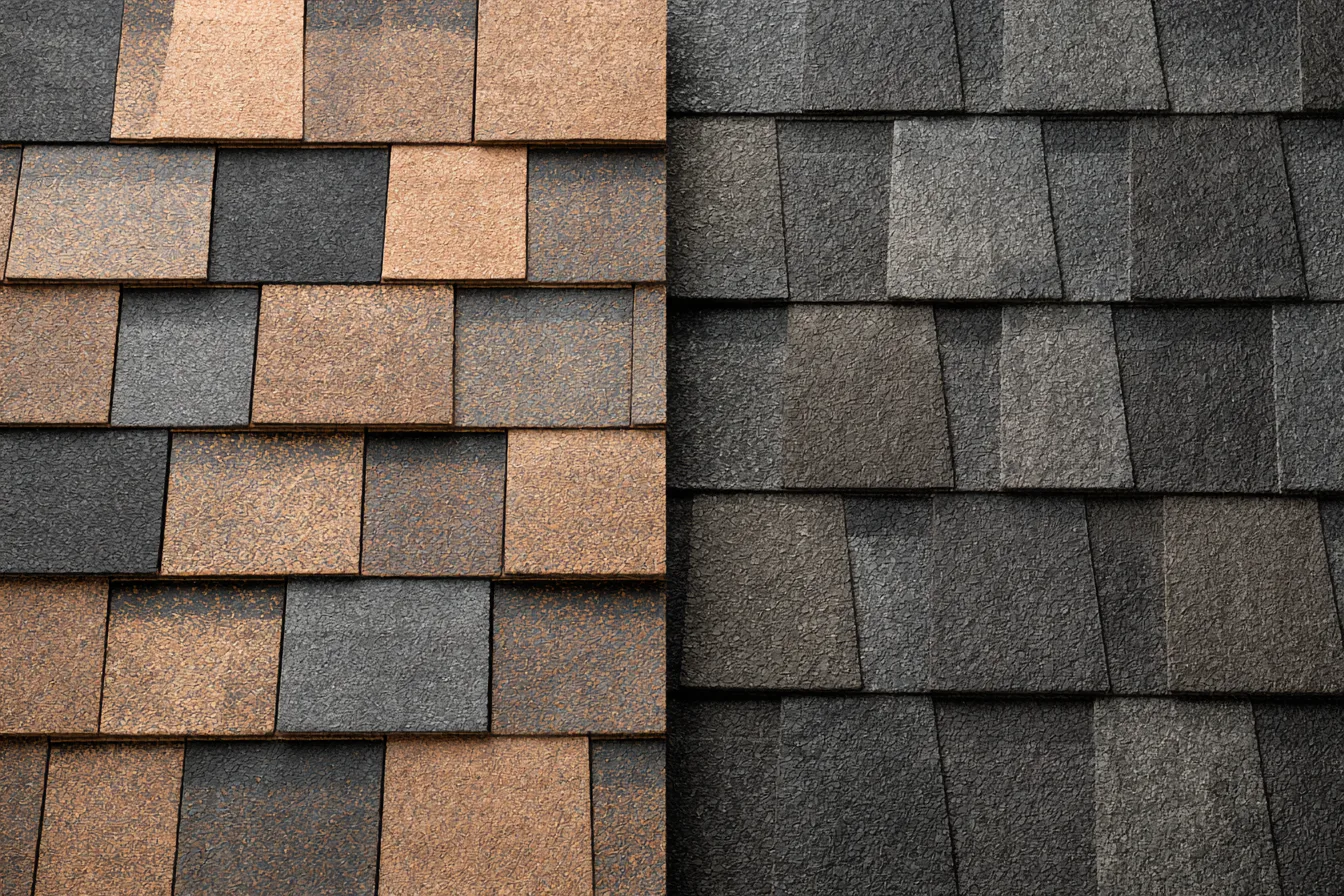
Hail and wind raise two different questions: what roofing work is needed, and what the policy covers. Keeping them separate makes both easier to understand.
Wind can crease shingles or break their seal. Hail can damage the mat beneath the granules. An inspection looks for the physical condition and whether a repair can tie into sound material. A storm report alone does not establish damage at your house.
An insurer applies the policy's deductible, roof settlement terms and covered causes of loss. Ordinary wear is a maintenance or replacement decision. A repair recommendation doesn't become a coverage decision just because it follows a storm.
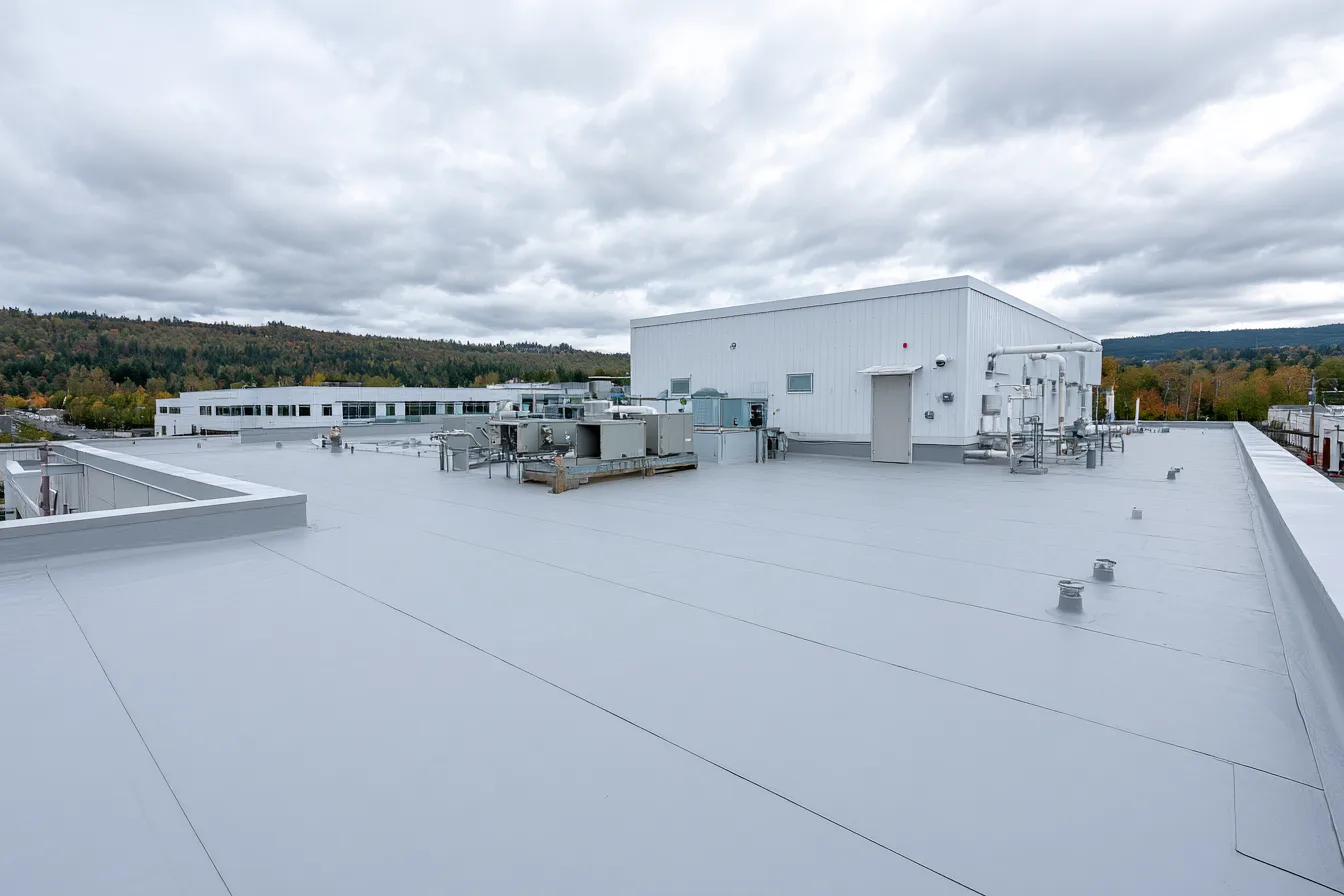
A leak over a business has consequences beyond the roof. Access, equipment, stock and occupied hours all affect how work gets planned. A low-slope inspection concentrates on seams, curbs, drains, edge details and the condition of the material beneath the surface.
Repair, coating and replacement serve different conditions. Dry insulation and a sound, compatible surface matter before restoration is considered. Saturated material or poor drainage calls for more than a new topcoat.
For owners and property managers, start with the commercial roof options.
Raymore's homes and businesses are part of the south Kansas City area, with public gathering places including Hawk Ridge Park and T.B. Hanna Station. Roofing help starts with the property address and the work it needs. Explore the coverage directory for Raymore's residential subdivisions and commercial areas.
Explore Raymore service areasYes. A free inspection is a sensible place to start. A roofer walks the roof when conditions allow and looks at the covering, flashings and visible wear. A sound roof with a repairable detail doesn't need a whole-roof scope simply because you asked about replacement.
Water can enter around a pipe, chimney, wall flashing or roof edge and travel before it appears indoors. The repair follows the entry point and affected layers, rather than placing a patch directly above the stain.
Your property location and the problem you noticed are enough to begin. Mention active water entry, a loose section or a known storm date if relevant. Leave roof access and diagnosis to the roofer.
Call (816) 281-9183 or request a free inspection. Start with the property and what you noticed, and take the repair or replacement decision from there.